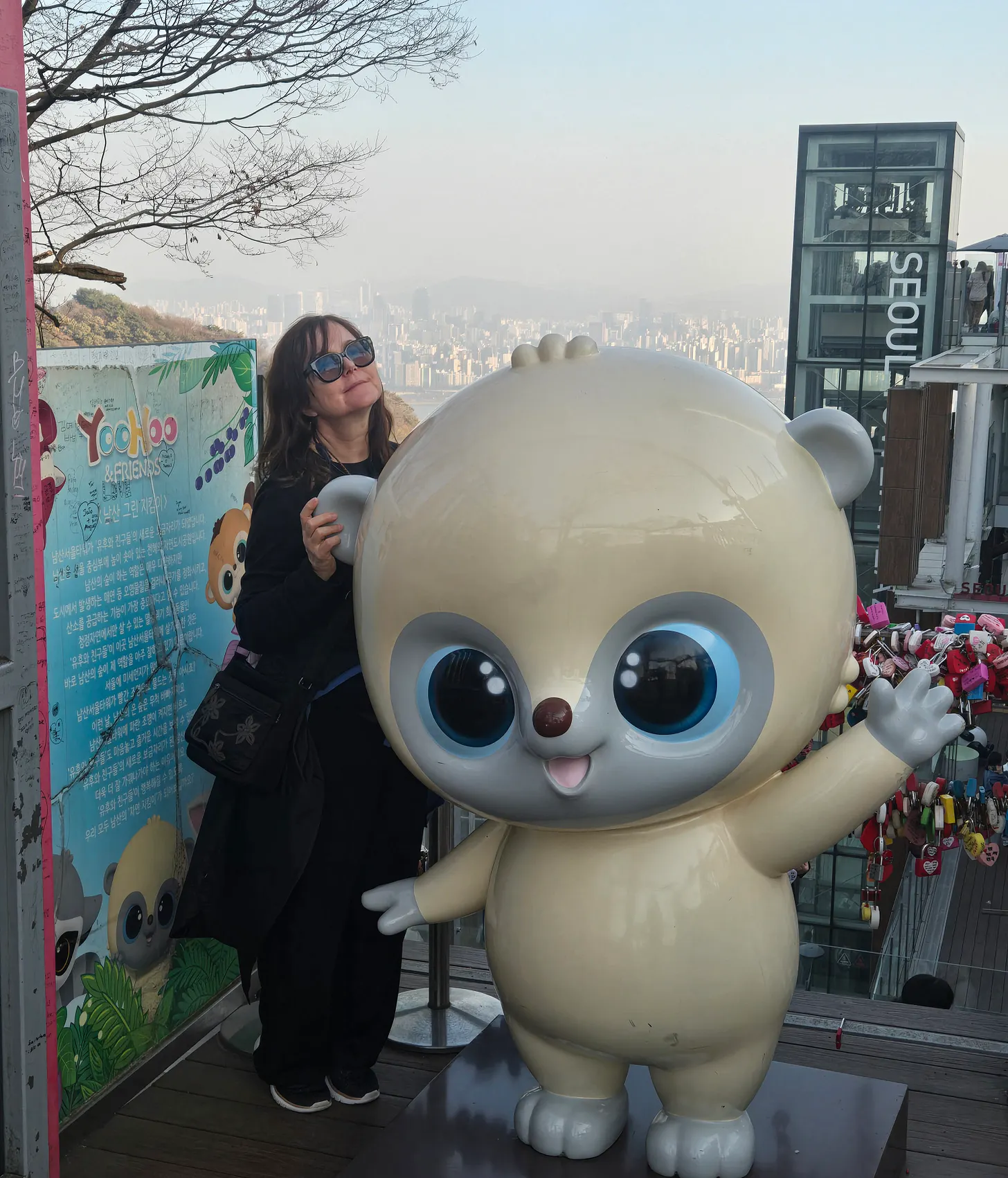
Modern Korea is urban, successful, intoxicatingly intense, and beautifully overwhelming. And like many countries that experienced fast economic growth, Korea’s diet changed dramatically – but was it for the better?
Subscribe to my articles on Substack.
I came to Korea expecting food to be complicated. Not because Korean food is complicated in itself — although, to be fair, when you are standing in front of a menu where every dish could contain fish sauce, beef broth, egg, seafood, or some mysterious beige strip pretending to be a vegetable, it can feel like a diplomatic crisis.
But I expected Korean food to be complicated because I had heard two very different stories about it. One says Korea is a paradise of barbecue, fried chicken, pork belly, seafood markets, sizzling grills, and late-night meat feasts. The other — far less Instagrammable — says Korean food has deep plant-based roots: rice, greens, tofu, beans, seaweed, mushrooms, fermented vegetables, temple food, and dozens of little side dishes that together form a meal without needing a “main event” in the Western sense. After a few days of eating in Korea, I realized both stories are true.
And that is what makes it so fascinating.

The Buffet That Confused Me
One morning, at a hotel buffet, I expected the usual travel challenge: find something edible, hope it is not cooked in fish broth, and try not to look like a confused foreigner conducting a forensic investigation of breakfast.
But the buffet surprised me.
There were maybe two or three meat dishes. The rest of the table was mostly plants. Rice. Kimchi. Greens. Something pickled and orange. Something soft and brown that looked like it had grown from the earth, possibly a fern, possibly a plant with a secret life. Black soybeans, glossy and chewy. Seaweed. Mushrooms that looked suspiciously like chicken but were almost certainly not chicken.
It was not “vegan food” or “vegetarian” in the modern Western sense. Nobody had put a green leaf symbol next to it. Nobody was trying to sell me “plant-based wellness.”
It was just food. And that is the point.
In many traditional food cultures, plants are not an identity. They are the meal.
Korean Food Is Not One Thing
The mistake outsiders often make is to reduce Korean food to its loudest forms.
Korean barbecue is loud. Pork belly sizzling at the table is loud. Fried chicken is loud. It has smoke, smell, theatre, social ritual, beer, metal chopsticks, and the emotional power of people gathering around a fire and calling it dinner.
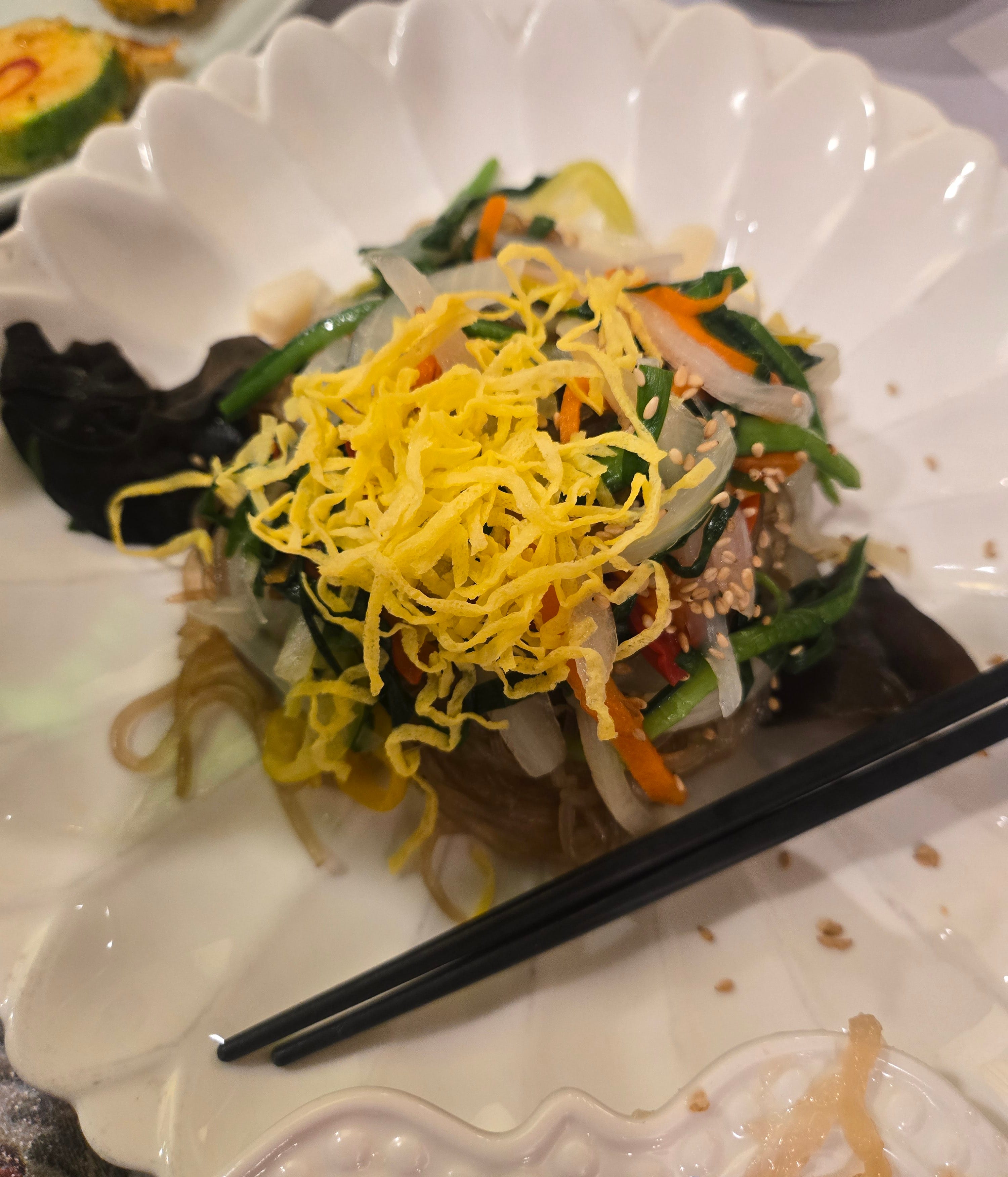
But banchan — the small side dishes — are unassuming. A little spinach here. A few soybeans there. Some seasoned bean sprouts. A piece of seaweed. Fermented cabbage. Mushrooms. Rice. Sesame. Pickles. Roots. Greens.
Western food culture often asks: “Where is the protein?” Korean food, at least in its older version, seems to answer: “Everywhere, but please calm down.” Protein is not always presented as a giant slab in the center of the plate. It may be distributed across soy, tofu, beans, grains, fermented pastes, seeds, and small portions of many things. That is a very different way of eating.
The Buddhist Undercurrent
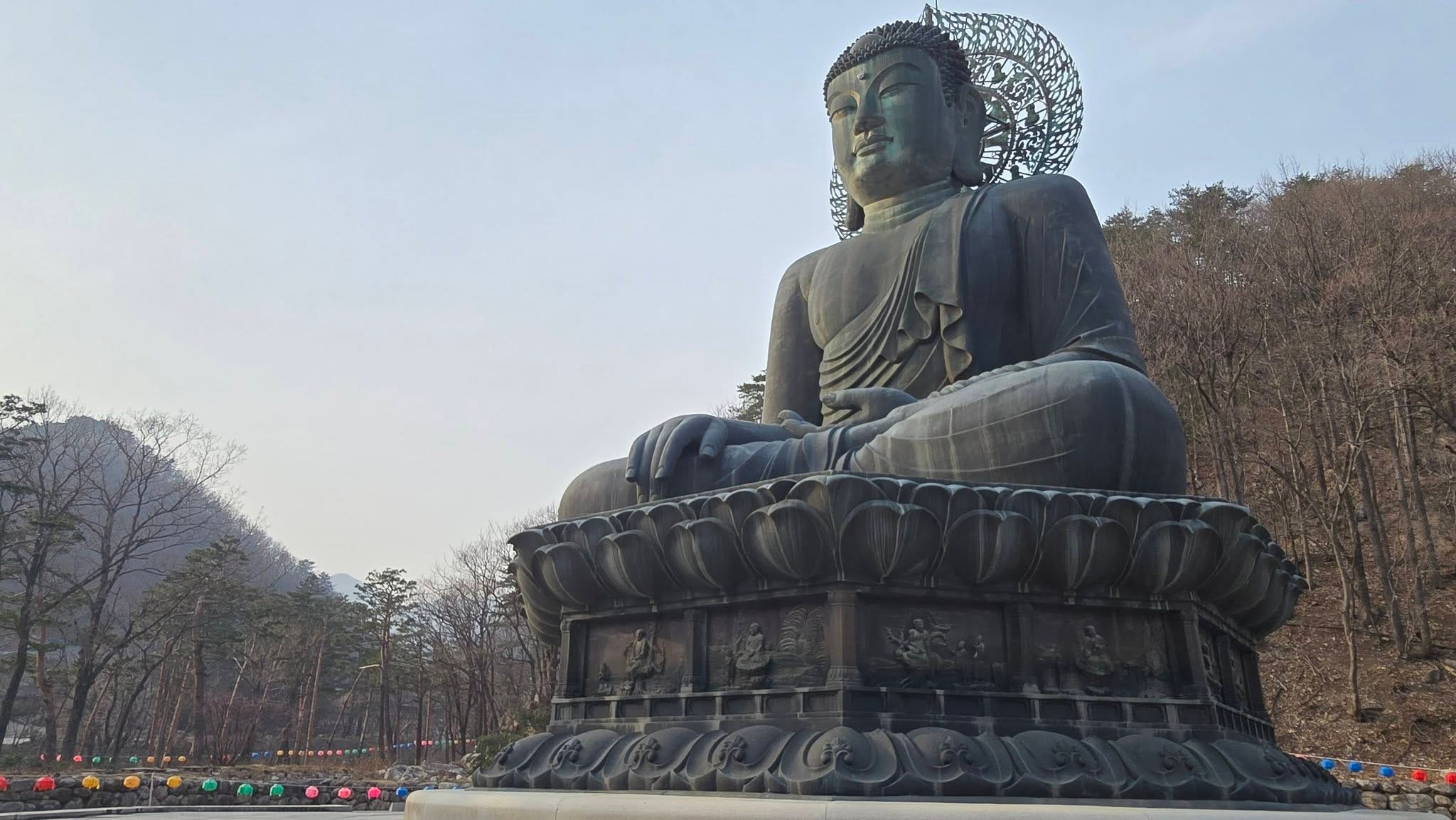
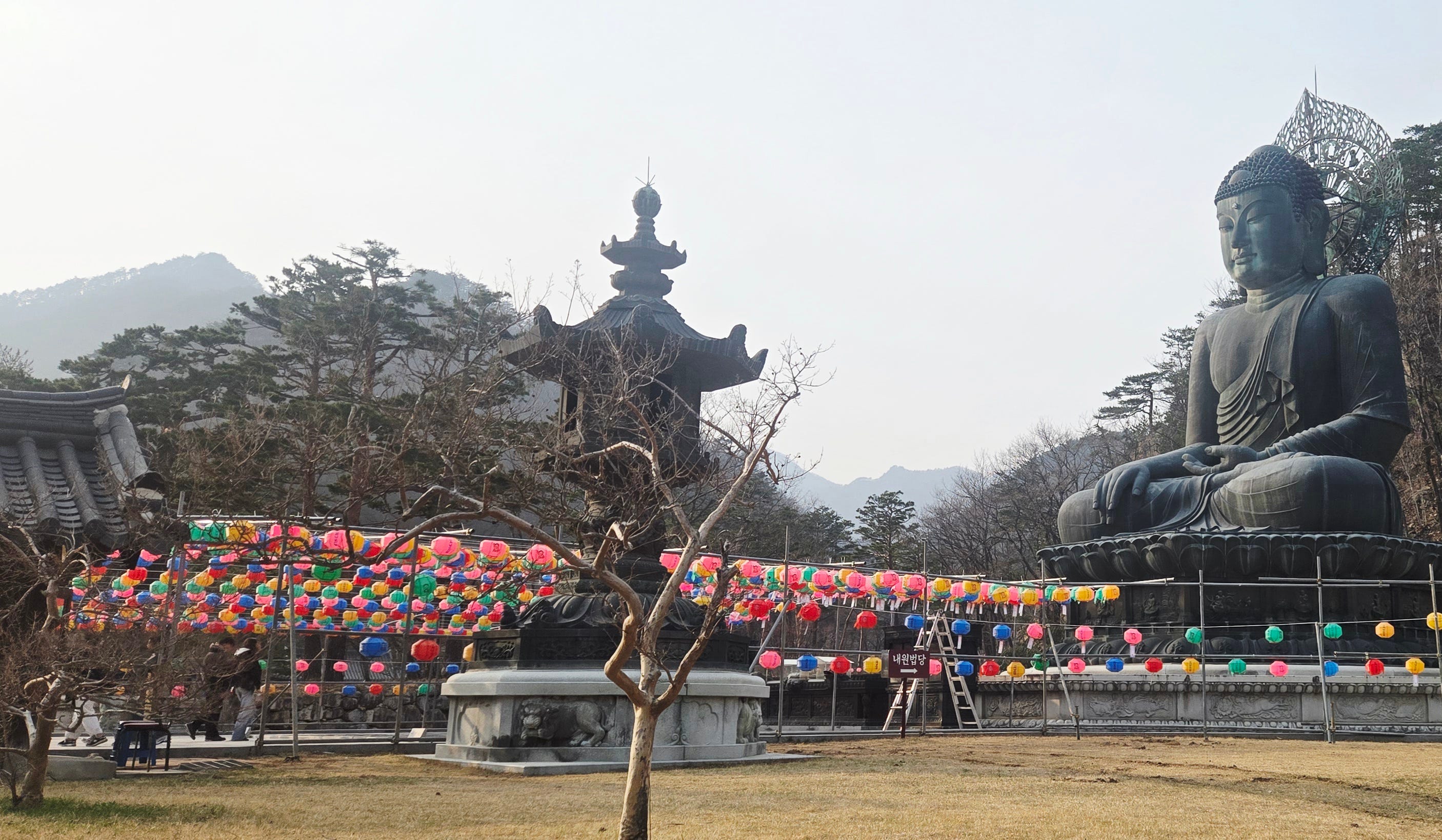
Korea’s plant-rich food culture did not appear from nowhere. Buddhism, which reached Korea many centuries ago, shaped Korean food deeply, especially through temple cuisine.
But temple food is not just “food without meat.” It is a philosophy of restraint, seasonality, attention, and non-violence. It is cooking as a form of discipline; flavor without domination. It asks: how much can we create from plants, fermentation, time, texture, and care? This is not the modern supermarket idea of veganism, where a product must prove itself by imitating meat successfully enough to pass an identity test.
Temple food does not scream, “Look, I can be like meat too!” It says, “Why are you shouting?” There is something deeply powerful in that.
Then Came Modernity, With a Grill
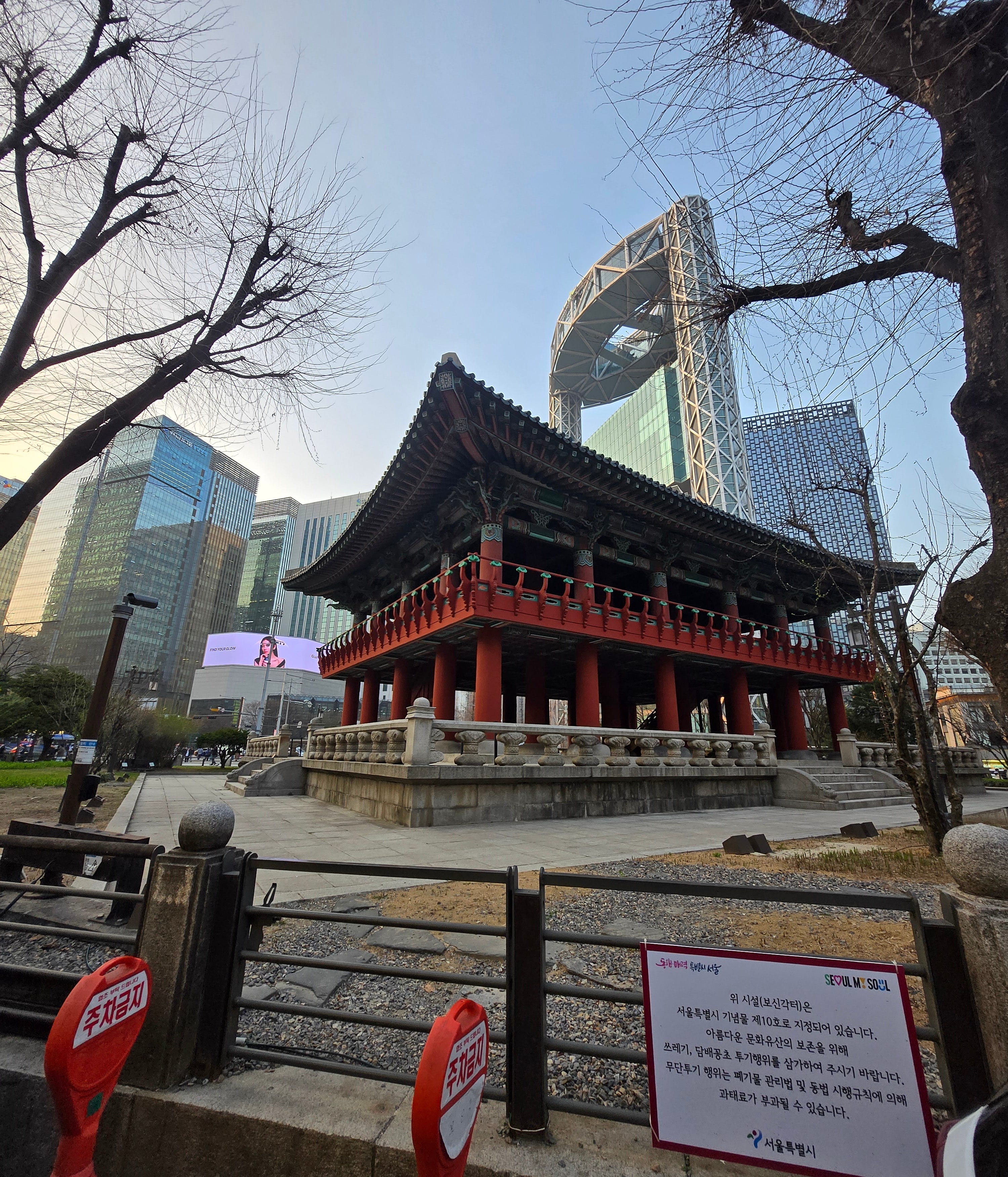
But Korea is not frozen in temple time. Modern Korea is fast, urban, successful, intense, and beautifully overwhelming. And like many countries that experienced rapid economic development, Korea’s diet changed dramatically.
Meat became more available. More affordable. More desirable.
This is not uniquely Korean. It is almost a global script.
As society becomes wealthier, foods that were once rare become everyday foods. What used to signal celebration begins to signal normality. Meat moves from special occasion to lunch special.
And in Korea the transition is especially visible because the older food architecture has not disappeared. You can see both systems living next to each other.
At breakfast: rice, seaweed, beans, greens, fermented vegetables.
At dinner: barbecue restaurant, pork belly, fried chicken, meat as social theatre.
This is not hypocrisy. It is history on a table.
Was It American Influence?
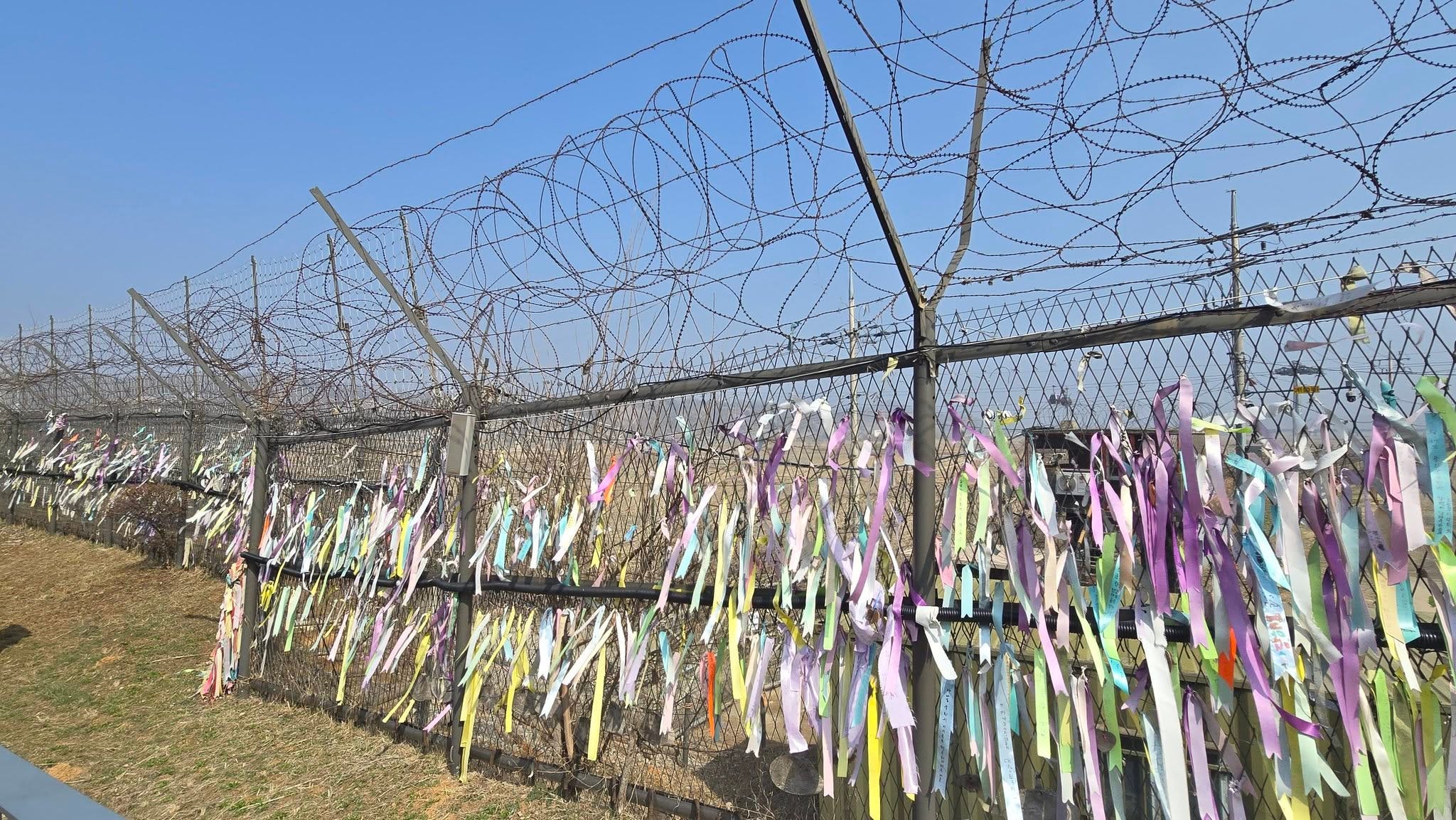
Partly, yes. But the more interesting answer is: American influence did not invent meat desire. It helped reshape what modern food looked like.
After the Korean War, the U.S. military presence brought processed meats, canned foods, sausages, Spam, and the strange afterlife of empire in edible form. Budae-jjigae — “army base stew” — is perhaps the most famous example: a Korean dish born from scarcity, improvisation, military leftovers, and survival.
There is something almost painfully symbolic about it — a traditional food culture, disrupted by war, absorbs processed American meat and transforms it into comfort food. But this is what food systems do — they do not simply replace one thing with another. They metabolize history.
But the bigger force was not just America. It was affluence.
When people become wealthier, they often eat more animal products. Not because meat suddenly becomes biologically necessary, but because it becomes socially available, emotionally desirable, and culturally coded as progress.
This is where “choice” becomes slippery.
Because yes, people choose meat.
But they choose inside a world where meat has been made visible, affordable, aspirational, and convenient.
That is not a neutral environment. That is architecture.
Ease Versus Affluence
We often assume that as people become richer, they naturally choose richer foods. More meat. More dairy. More processed foods. More abundance.
But maybe affluence does not act alone.
Maybe affluence needs ease. A food becomes dominant not only because people can afford it, but because the system makes it easy to want.
Easy to buy. Easy to order. Easy to serve.
Easy to associate with pleasure, strength, celebration, masculinity, generosity, success, or comfort.
This is why demand is never just demand. Demand is trained.
It is shaped by school meals, advertisements, agricultural policy, restaurants, subsidies, convenience stores, family expectations, national development narratives, and the simple fact that the thing you see everywhere begins to feel inevitable.
That is how a rare food becomes a normal food.
That is how a luxury becomes a habit.
That is how a detour becomes dinner.
The Nutrient Detour
From a systems perspective, the modern meat-heavy diet is strange. Plants already contain protein, minerals, fiber, energy, flavor, and texture. But instead of eating them directly, modern systems often send them through animals first.
Plants become feed.
Feed becomes animal flesh, milk, eggs, or fish.
Then humans eat the final product and call it efficient because the supermarket price hides the land, water, crops, waste, emissions, and suffering that came before it.
This is what I call a nutrient detour.
Korea makes this especially interesting because the older shortcut system is still visible. Seaweed. Soybeans. Tofu. Rice. Greens. Fermentation. Mushrooms. Roots. Temple food.
These are direct routes.
Ocean to human.
Soybean to human.
Plant to human.
No animal intermediary required.
And yet the modern city glows with meat restaurants. It is almost as if two maps of food history have been placed on top of each other — and both are still readable.
The Seaweed Moment
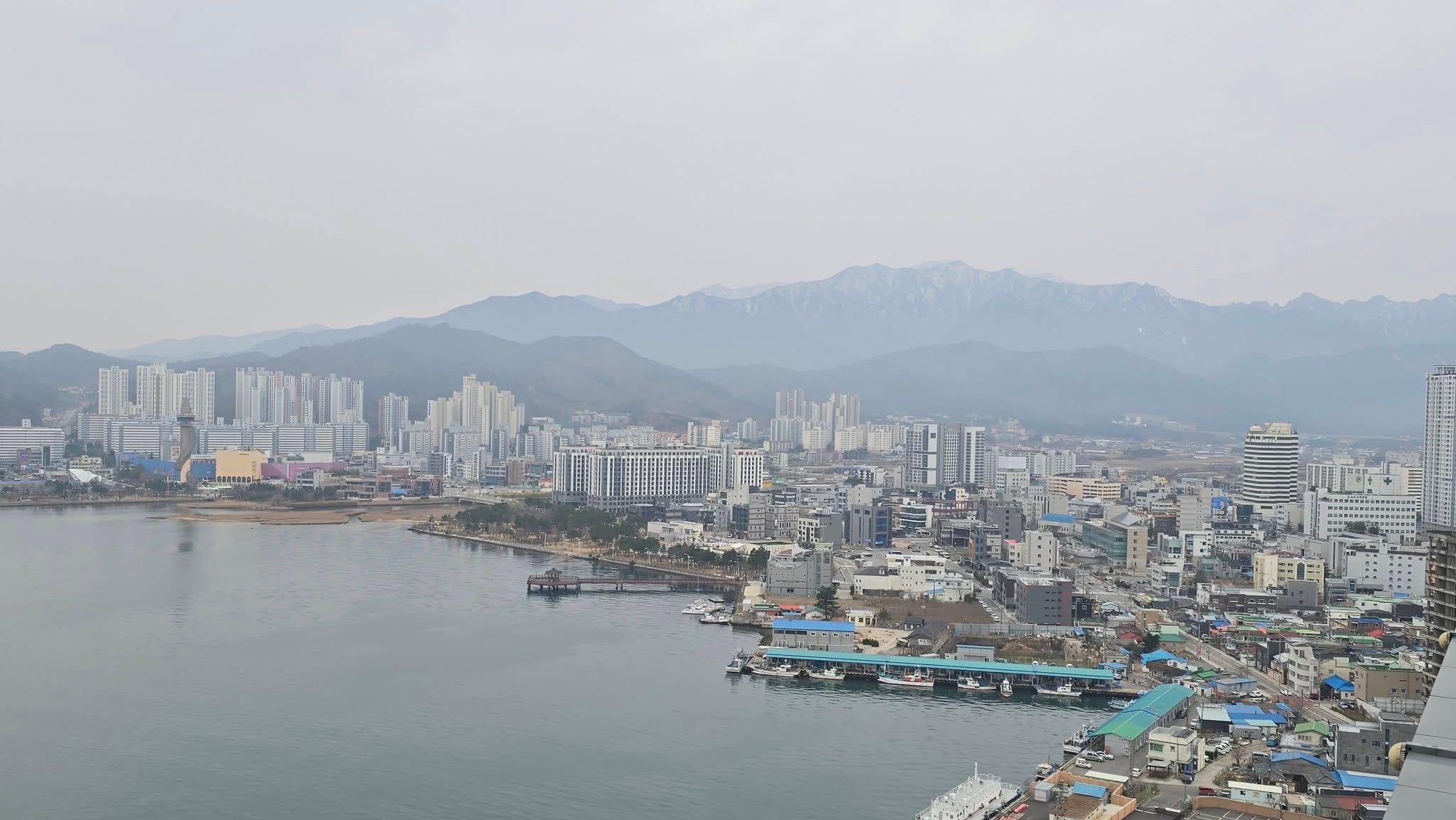
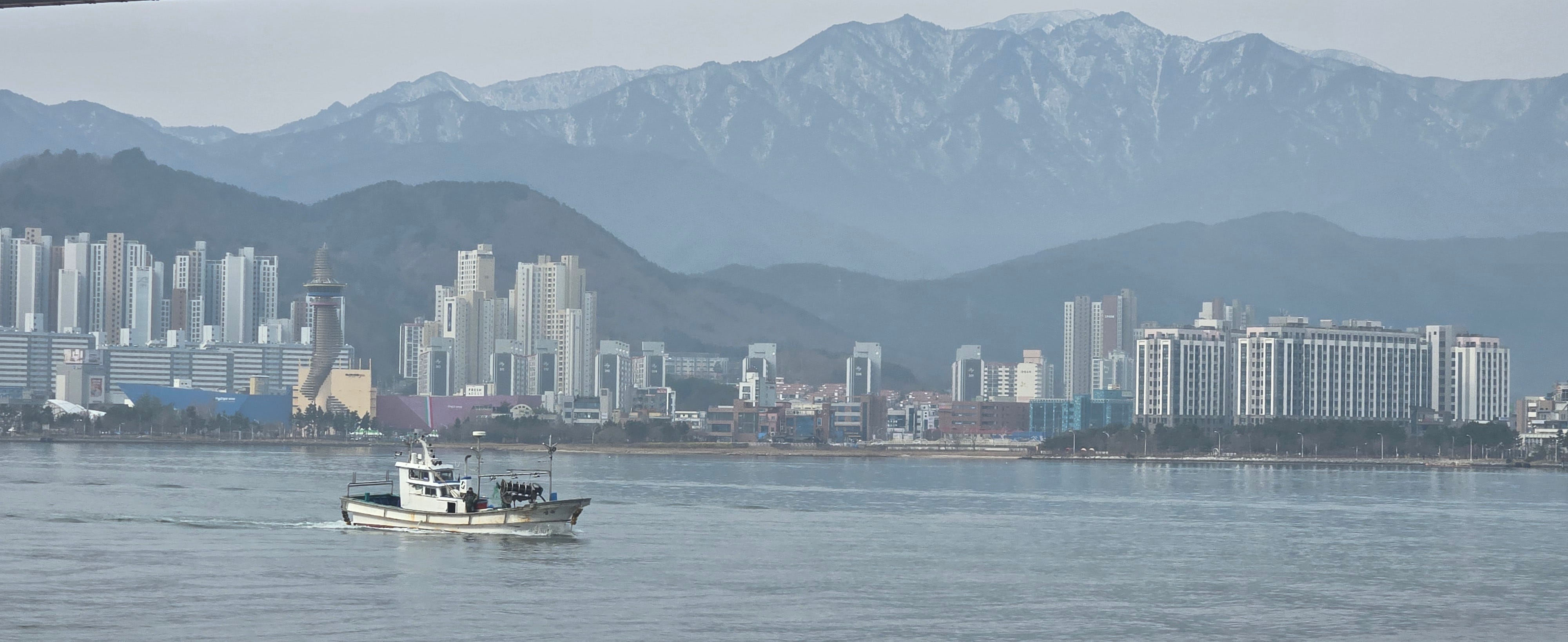
At a market in Sokcho, a coastal city, I saw large packages of seaweed. Not the neat little snack packs you find in supermarkets, but real seaweed: light, thin, dried, oceanic, almost like edible landscape.
I did not buy it at first, and of course immediately regretted it.
Because seaweed is one of the most elegant foods in the world.
It grows without land. It does not need irrigation. It does not need feed crops. It does not need to be sent through a cow, pig, chicken, or fish. It carries minerals, umami, texture, and ocean memory.
If meat is the long road, seaweed is the shortcut that was sitting there all along, quietly waving from the coast.
Naturally, we ignore it and build billion-dollar systems to produce protein through animals. Human civilization: very clever, occasionally ridiculous.

The Hidden Plant Intelligence of Korean Food
What impressed me most in Korea was not one dish, but the intelligence of the food structure.
It understands texture. Chewy beans. Soft greens. Silky eggplant. Crunchy pickles. Fermented cabbage. Tender mushrooms. Crisp seaweed. Rice as foundation. It understands that satisfaction is not only protein quantity. It is contrast, repetition, salt, sourness, heat, softness, umami, memory, and ritual.
Modern plant-based food companies are trying very hard to reinvent texture. Korean cuisine has been quietly doing texture for centuries.
A mushroom does not have to call itself “chicken” to be satisfying.
A soybean does not have to apologize for not being beef.
A bowl of rice with vegetables, seaweed, tofu, and fermented paste does not need a motivational speech about protein.
It simply needs to be understood as a complete food culture, not as a side dish waiting for meat to arrive.
The Problem With Restaurants
And yet, as a traveler, Korea can be difficult if you are trying to eat fully plant-based. The buffet may reveal the plant-rich foundation. But restaurants, especially barbecue places, often reveal the modern meat-centered performance.
The frustrating thing is that the plant foods are often already there. The greens, pickles, rice, mushrooms, tofu, seaweed, and small dishes exist. But they are not always framed as a meal. They orbit the meat.
This is not only a Korean problem. It is a global one.
Plants do the work.
Meat gets the status.
What Korea Taught Me
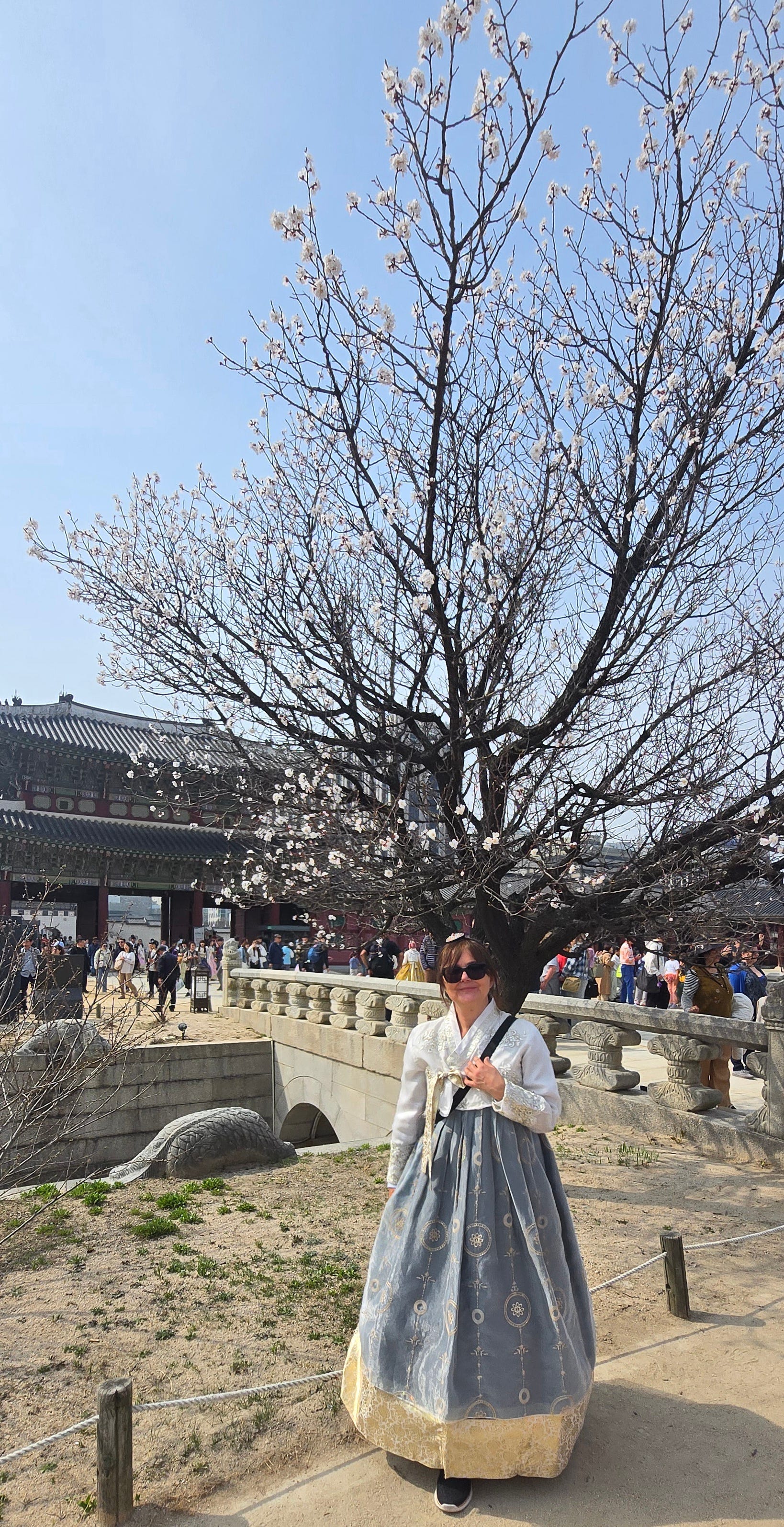
Korea reminded me that food transitions are not simple stories of “traditional good, modern bad.” That would be too easy, and also unfair.
Modern Korea is extraordinary. Its food is creative, intense, generous, and full of life. The same country that gave us temple cuisine also gave us neon chicken shops. The same culture that reveres fermentation also sells processed meat stew born from military leftovers and historical trauma.
Food is never innocent. But it is also never just guilty. It carries survival, aspiration, poverty, empire, abundance, memory, family, speed, and desire.
What fascinated me most was not that Korea eats meat now. Many countries do.
What fascinated me was that Korea still carries within its cuisine a powerful alternative: a plant-rich, fermented, ocean-connected, soybean-based food intelligence that does not need to be imported from the future.
It is already there.
The Bigger Question
So perhaps the question is not: how do we invent a plant-based food system?
Perhaps the better question is: how do we recognize the plant-based food systems that already existed before modern affluence covered them in smoke, cheese, meat, and marketing?
Korea does not need to become “Western vegan.”
It may simply need to remember, reinterpret, and modernize parts of itself that were already remarkably resource-wise.
Not as nostalgia.
Not as purity.
Not as a moral scolding.
But as a practical question:
If we once knew how to build meals from rice, beans, greens, mushrooms, seaweed, fermentation, and care — why did we decide the future had to be built around animals?
And who taught us that detour was progress?